In-water Interactions with Cetaceans.
By Lloyd Edwards
Friday, 6th November 2026Should swimming with whales and dolphins be allowed in South Africa? This question always brings on plenty of debate. At present, it has been outlawed under the Marine Living Resources act. The exceptions are during sardine run and if your crew has a filming permit issued by DFFE.
South African operators have been agitating for this to be allowed under certain conditions and at certain locations. Some operators are already doing it illegally, which is fine until someone gets injured. Insurance will not pay out for an illegal activity, leaving the operator accountable to the ensuing civil claims and I guess bankruptcy.
South Africa has the best Whale Watching legislation on the planet, with no shadow of doubt. With only between 1 and 3 permits per area, the pressure on cetaceans is minimal. Also, no approaches to cow/calf pairs and a maximum time period of 20 minutes for a close encounter of 50 metres.
From my experiences around the world, it has become a bun fight, not the sustainable experience the up-market tourist is seeking. The reason our legislation works so well, is that we first put the legislation in place, and then the tourists arrived. In other countries, the tourists arrived in their droves, and so did the operators. To then try and put legislation in place proves very difficult, almost impossible.
Near shore interactions with Indo-Pacific Bottlenose Dolphins in South Africa would be a serious safety risk. Sea conditions and water visibility are sometimes very tricky, even for the experienced snorkeler, never mind the average unfit tourist . . . and expectations are high. There is always pressure on the operator who is charging like a wounded buffalo for this “once in a lifetime experience”. Accidents will happen.
However, if these experiences were conducted offshore in clear water, there may be a chance to offer them and at the same time contribute towards science and ultimately benefit the animals that are being observed. Offshore cetaceans are continuously on the move, even when breeding and feeding. Inshore whales like the Southern Right need to breed and nurse their calves, so they need their space without any interference.
Have a look at my recent personal post that deals with in-water interactions with Blue Whales in Timor-Leste, an island to the extreme southeast of Indonesia.
PS, this is relevant as there has been the first sighting of two Blue Whales off Kenya this season. We will be keeping our eyes peeled at the Addo Submarine Canyons.
Largest Mammal vs Largest Fish.
Before I get into the debate about these two Leviathans, we need to put them into perspective. If you see images of them on their own, it does not really give you an indication of the size. Hence, I have included our human models to show comparison. Look at the first image of the free diver near the tail flukes, if that is not impressive, nothing is!
Although Blue Whales were originally thought to be a single species, recent research recognises several. The largest (Max weights and lengths recorded) is the Antarctic Blue (33,5m 200t), followed by the Northern (27m 150t), Chilean (26m), Northern Indian Ocean (24m 150t), and Pygmy (24m 90t). We were diving with the migrating Pygmy subspecies.
In comparison, the largest fish in our oceans is the Whale Shark (21m 40t), substantially smaller. While Blues feed almost exclusively on krill, Whale Sharks add small zooplankton, bait fish and squid to their diet. While Blues represent the largest animal to ever exist on earth, the extinct Megalodon and giant filter feeding sharks, were much larger than the extant Whale Shark.
To be honest, when I saw my first Chilean Blue off Mexico in 2012, I wasn’t overly impressed . . . until it started feeding and opened its massive mouth! Likewise, with the Northern Indian Blues off Sri Lanka last year, they were feeding at depth, so I only saw about 5% of their true size above the water. Being in the water with them in Timor-Leste however, was a life changing experience!
This brings us to the debate. Should in-water encounters with these massive animals be allowed? In South Africa, in-water encounters are forbidden, except for in the case of the sardine run, which is done by well-respected professionals.
I have seen really bad examples (too many operators) of swim-with experiences, in many parts of the world, but let’s leave that for now. In some places, SA included, there could be a case for in-water encounters, provided it is properly regulated and operated. It needs to contribute to science, which is directed towards the welfare of these animals.
The way the Moby Dick team of good-natured whale experts did these encounters here in Timor-Leste, was on another level. Alex (owner) and Ashley (skipper guru) laid out the modus operandi and laws from the beginning. They were backed up by Steve, James and Luke with drones and underwater cameras and video recorders. What a really professional bunch.
Once the blow was seen, a drone was deployed to follow the animal from above. When the battery ran low, the next drone would enter the fray. Skipper Ashley took up a position to the side and forward of the approaching beast, always being led by the drone.
Once the diving sequence had been established, swimmers were dropped silently to the side of the approaching whale . . . not in front. It was then up the swimmers to go hell for leather to catch a fleeting glimpse of the whale, passing from 10 to 20m below. That was it . . . and that was enough!
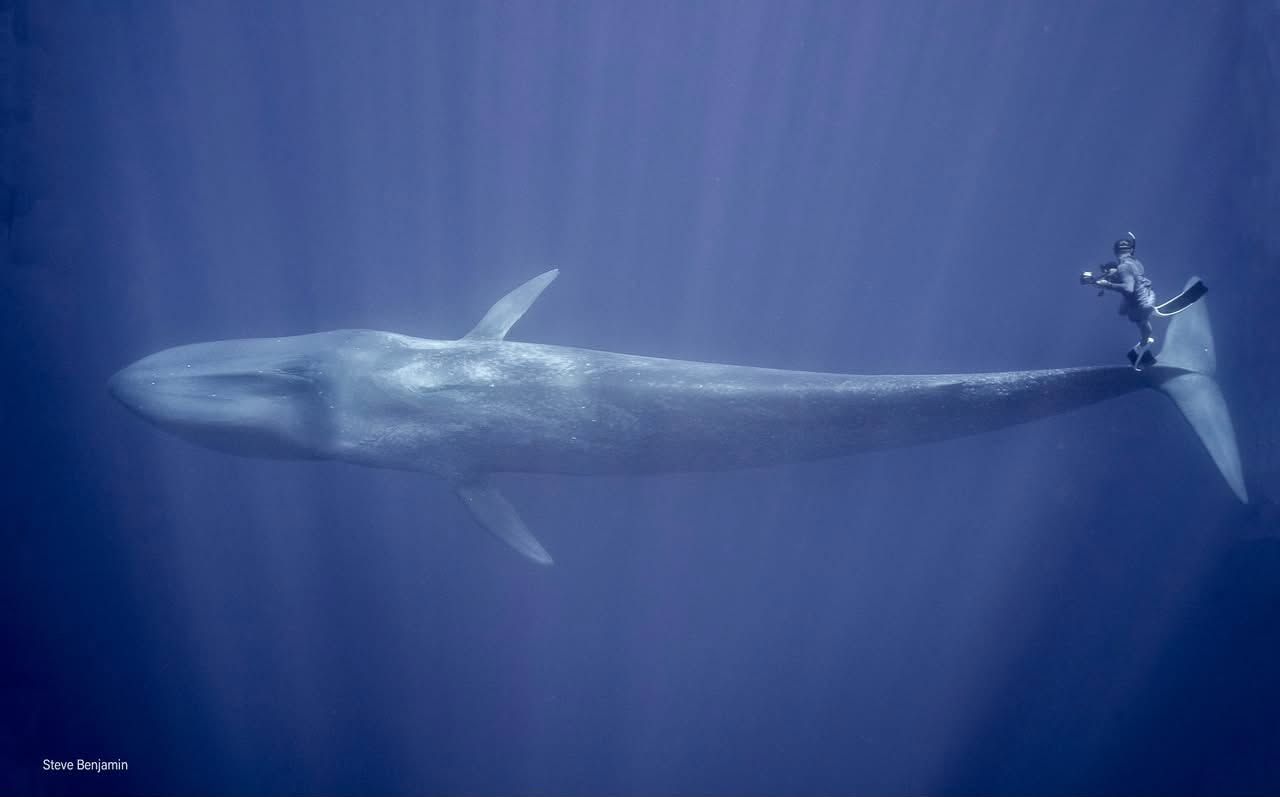
My very first Blue Whale in-water encounter. I was swimming next to Steve aka Sgt Benjamin when he took this shot. Luke is just above the tail flukes. This was not done intentionally, these animals move so fast!
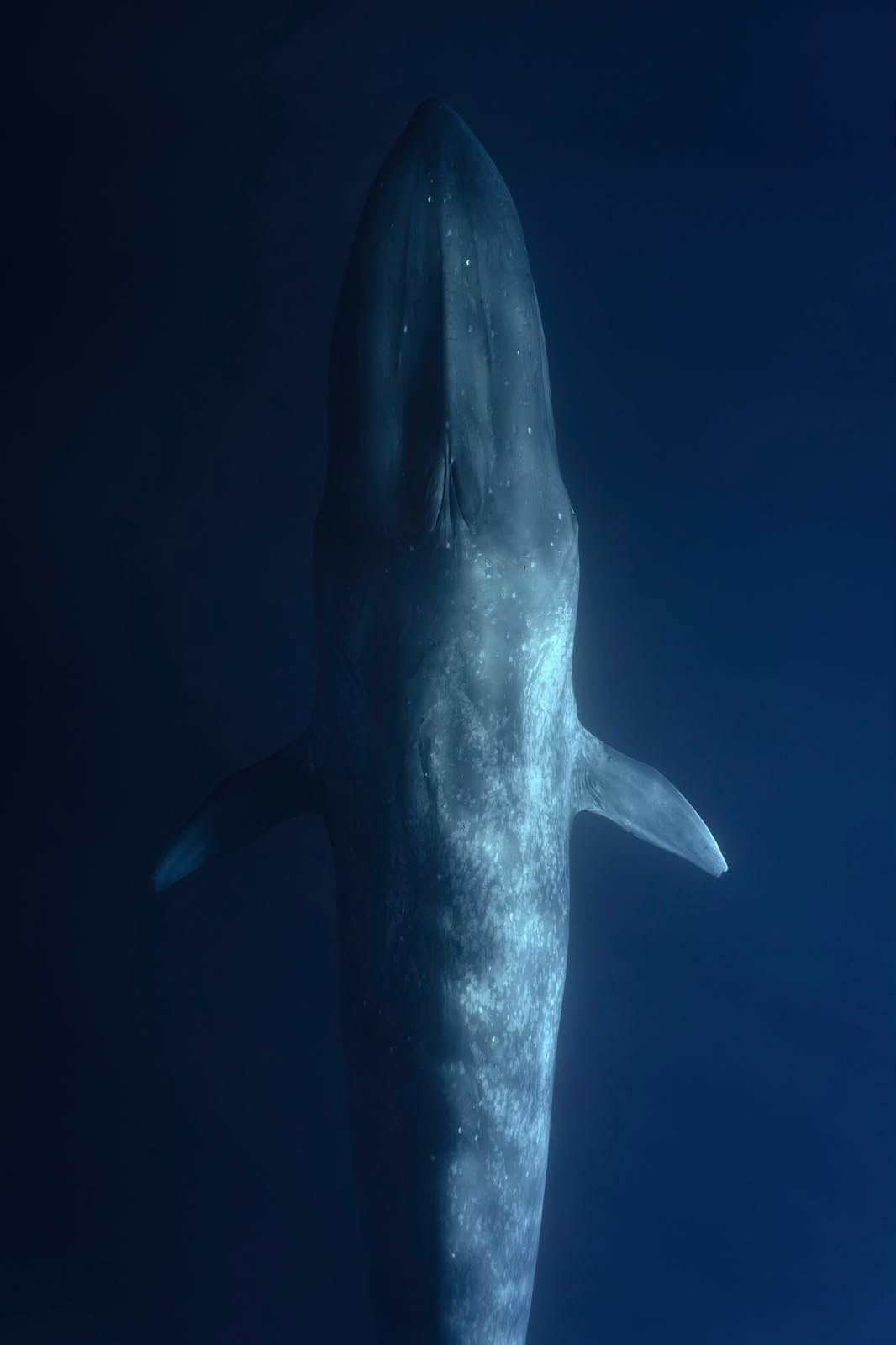
The animal at depth, half in shadow. At 17, Luke is really becoming a great free diver and cameraman . . . a legend in the making. Thanks Ashley for spotting his talents.
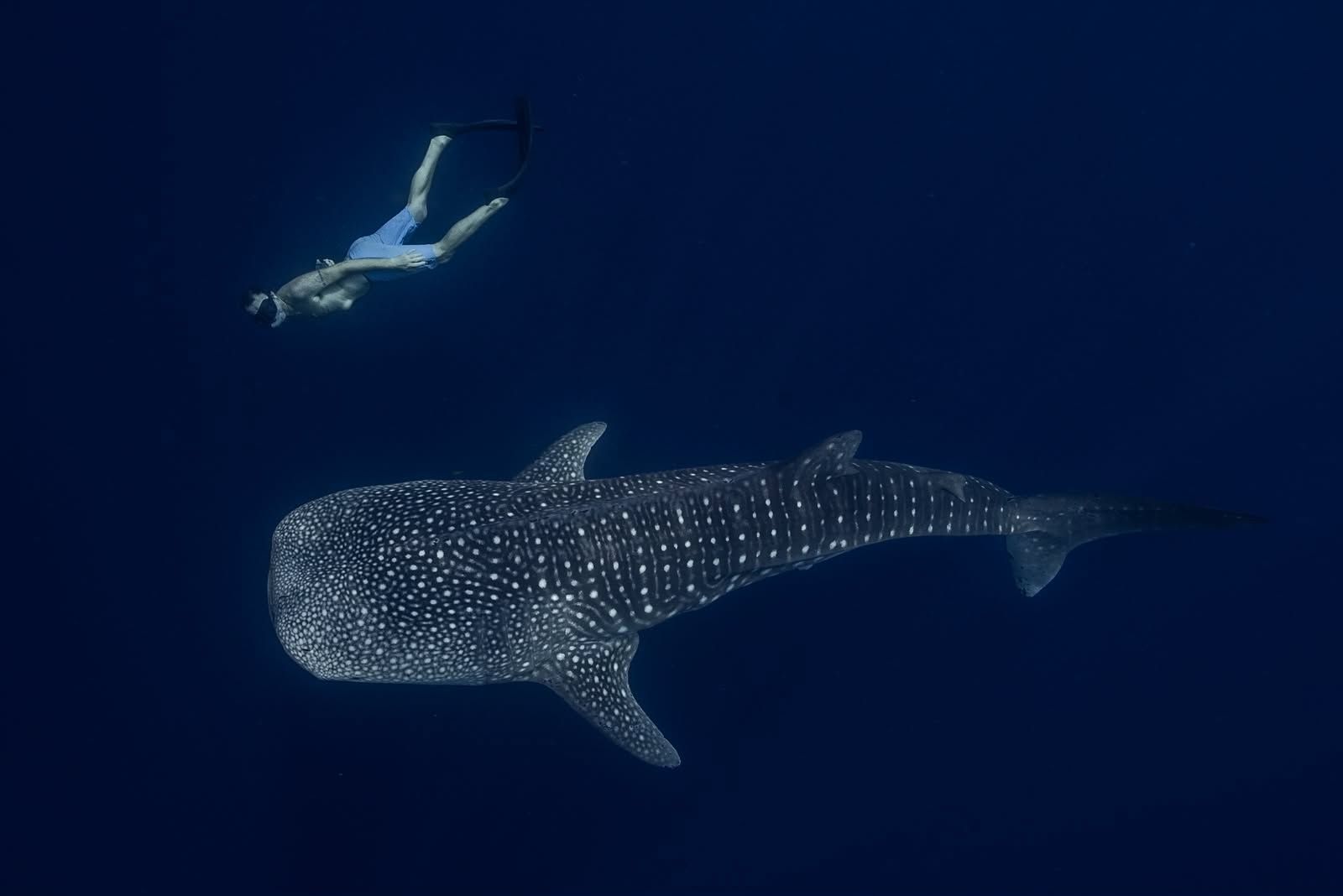
Steve always manages to position himself in the right spot for the shot. Many years of filming for foreign films crews like the BBC have honed his skills.
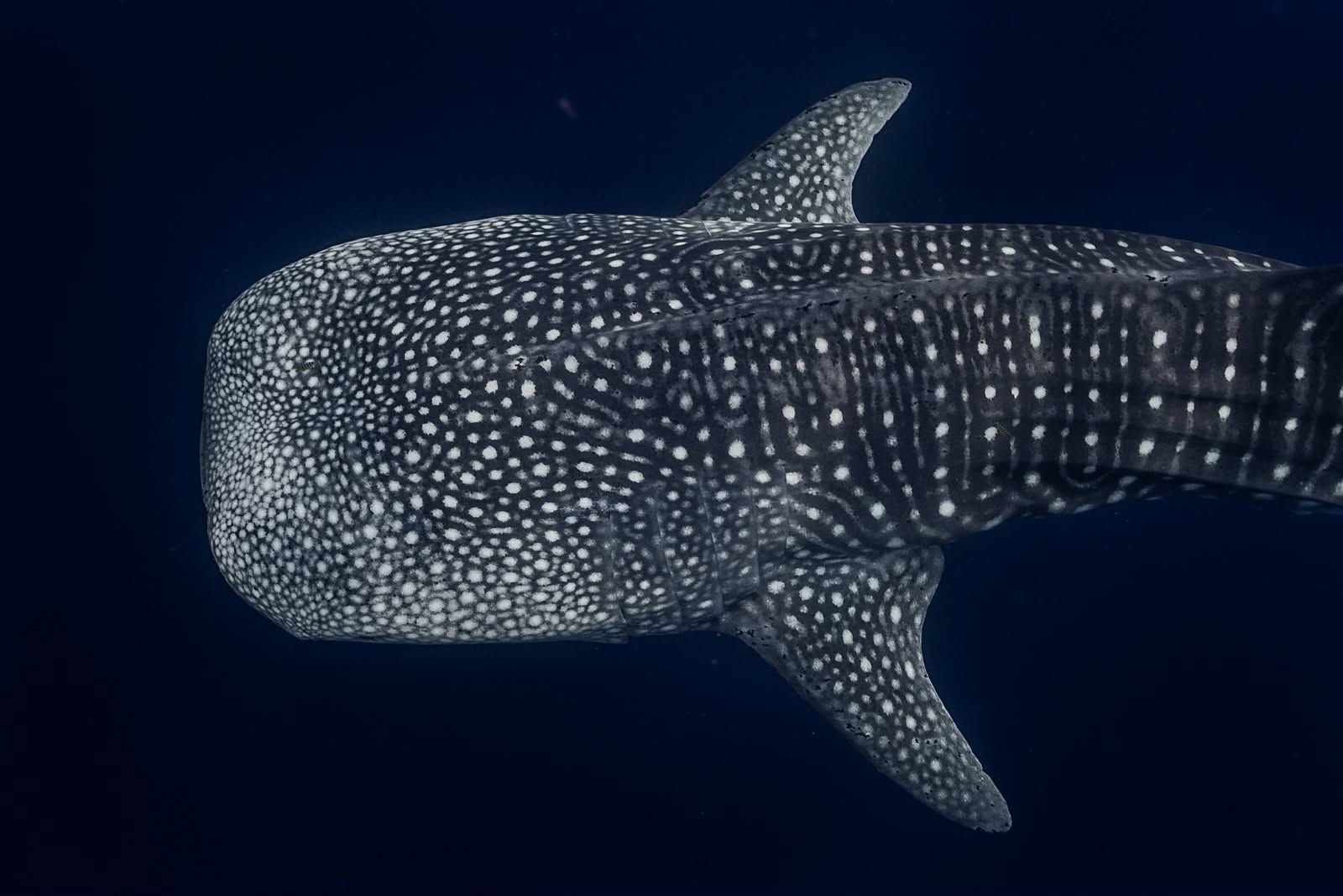
Another classic close up of the head and pectoral fins. These plankton feeders are totally harmless to humans.
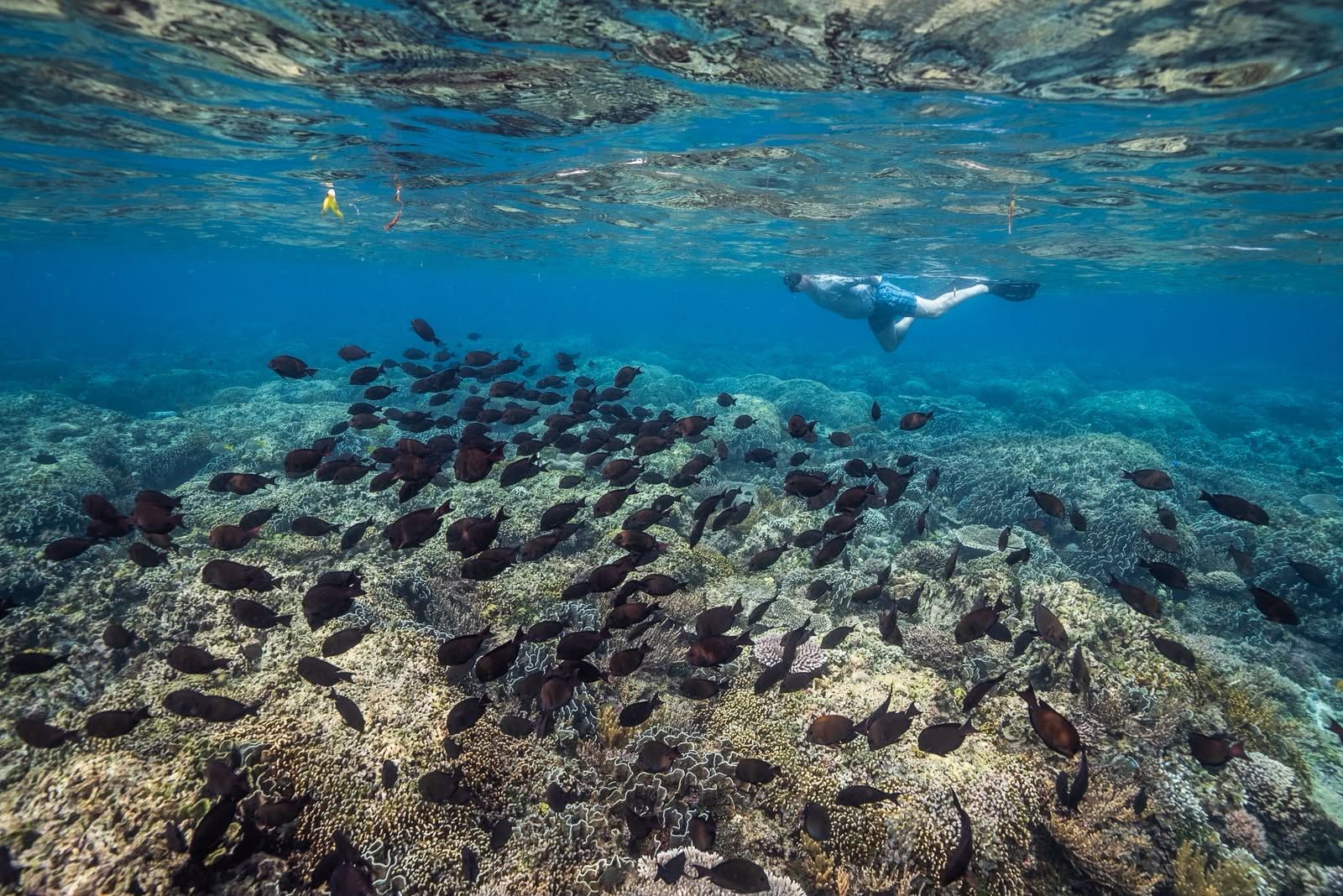
Atauro Island across the Wetar Strait from Dili. A school of Surgeon Fish drift across the coral.
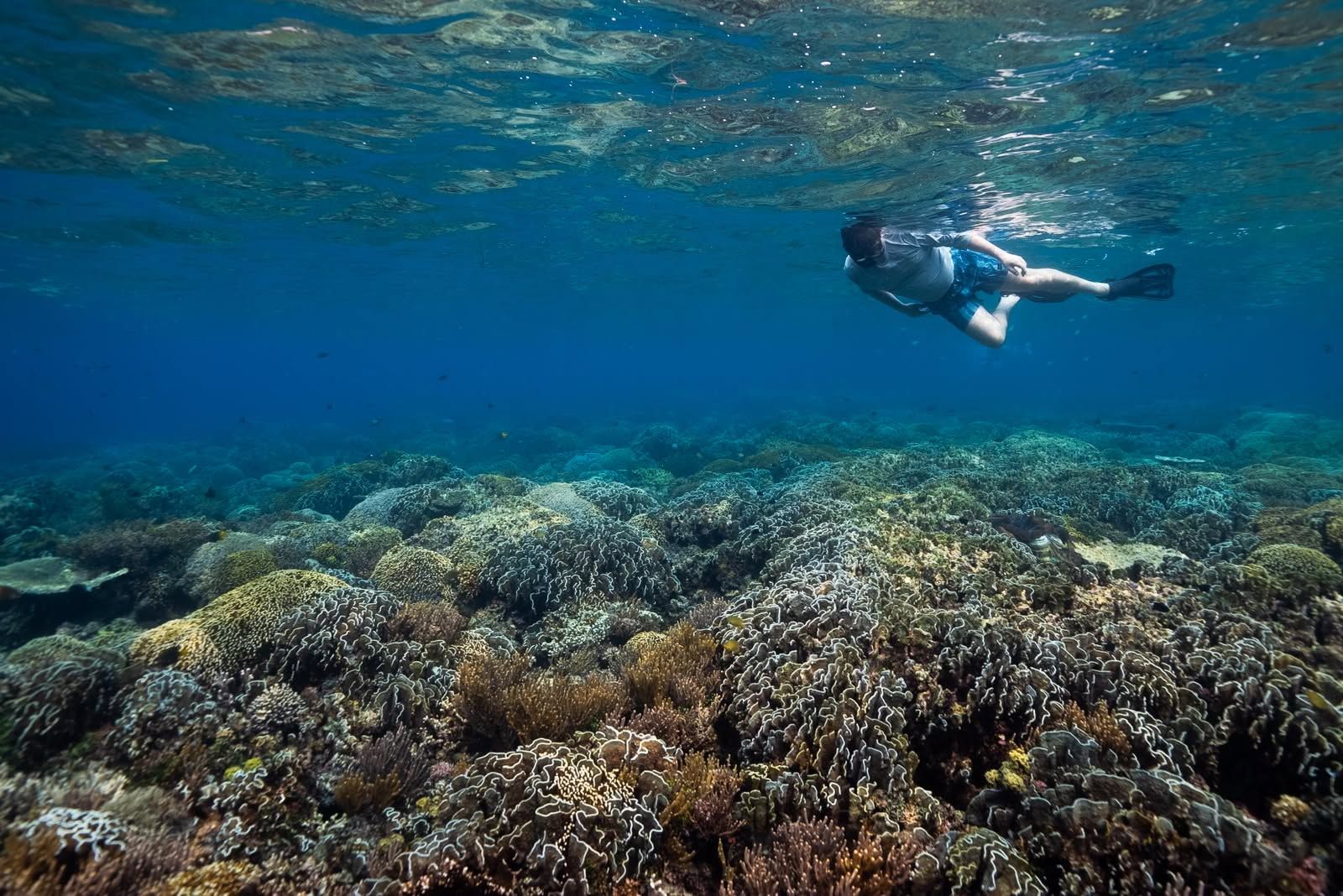
The corals here are next level for the shallow water variety.
Video 1
Video 2
Video 3
Video 4